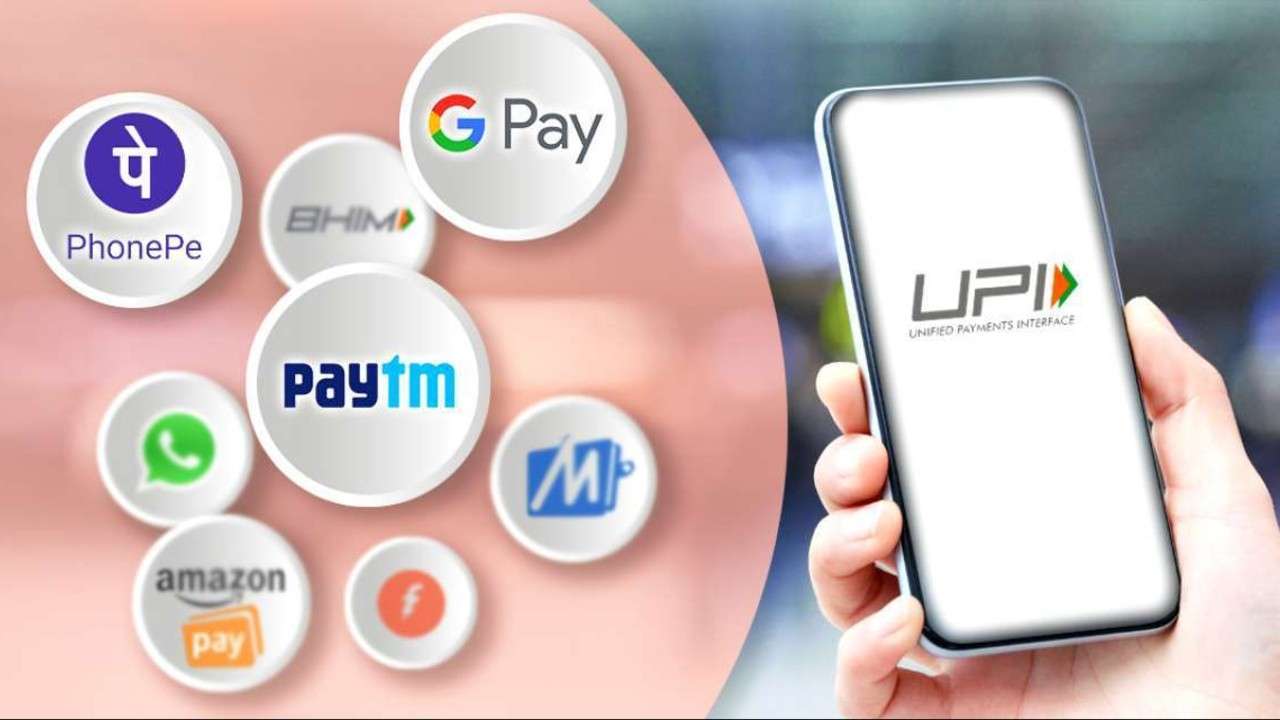
Unified Payments Interface (UPI) is a real-time payment system launched by the National Payments Corporation of India (NPCI) in 2016. It allows users to make instant electronic payments to anyone with a UPI-enabled bank account using a unique identifier called a Virtual Payment Address (VPA).
UPI has revolutionized the way people make payments in India. It has made it extremely convenient for individuals to send and receive money, pay bills, and make purchases online or in-store. Prior to UPI, people had to use net banking or debit/credit cards to make online transactions, which often involved long and complex process.
One of the key advantages of UPI is that it allows users to link multiple bank accounts to a single UPI app. This means that users can choose which bank account they want to use for each transaction, making it easier to manage their finances.
Another major advantage of UPI is that it is interoperable, which means that users can make payments to any bank that is UPI-enabled. This has greatly increased the reach and accessibility of the payment system, as users no longer have to worry about whether the recipient’s bank is compatible with their own.
In addition to making payments, UPI also allows users to request payments from others. This feature is particularly useful for businesses that need to collect payments from their customers, as it eliminates the need for manual invoicing and payment tracking.
UPI has also made it easier for small businesses to accept payments from customers. Previously, small businesses had to invest in expensive point-of-sale (POS) terminals to accept card payments. With UPI, businesses can simply provide their customers with a VPA or QR code and allow them to make payments directly from their UPI app.
In just a few years, UPI has become one of the most popular payment methods in India. As of 2021, UPI has processed over 3.5 billion transactions, with a total value of over INR 4.5 trillion. This rapid adoption has been fueled in part by the wide availability of UPI apps, which can be downloaded from the App Store or Google Play store on any smartphone.
UPI has also attracted the attention of international investors and tech companies, who see it as a model for digital payments in other countries. In 2020, Google announced that it was partnering with NPCI to launch Google Pay in India, which is based on the UPI platform.
Overall, UPI has transformed the way people make payments in India, making it easier, faster, and more convenient than ever before. It is likely that UPI will continue to grow and evolve in the coming years, as more people and businesses adopt it as their preferred payment method.
Unified Payments Interface (UPI) is a real-time payment system that has been widely adopted in India, but it has not yet been introduced in Nepal. However, there are several similar payment systems available in Nepal, including eSewa, Khalti, and IME Pay.
eSewa is a digital wallet and online payment gateway that allows users to make payments, transfer money, and pay bills online. It is operated by F1Soft International, a Nepali fintech company.
Khalti is another digital wallet and online payment gateway that allows users to make payments and transfer money online. It is operated by Sparrow Pay Private Limited, a Nepali fintech company.
IME Pay is a mobile banking and payment service operated by IME Digital Solutions, a joint venture between Nepal Investment Bank and IME Group. It allows users to make payments, transfer money, and pay bills online.
All of these payment systems are similar to UPI in that they allow users to make electronic payments and manage their finances online. However, they are not directly connected to the UPI platform and are specific to the Nepali market.
